
Are you a senior who wants to make the most of your email marketing campaigns? Look no further than this article, which provides insights for maximizing email ROI geared toward those aged 50 and over. With the rise of digital communication, email marketing has become essential for businesses to connect with their audience. However, it can be challenging to know how to create effective campaigns that resonate with your target demographic.

One key aspect to consider is the importance of personalization. As a senior, you likely receive countless generic emails that don’t match your unique interests and needs. The same goes for your own email campaigns. By segmenting your audience and tailoring your messaging to their specific preferences, you can increase engagement and ultimately drive more conversions. But how exactly can you achieve this? Read on for tips and strategies to help you create email campaigns that truly resonate with your 50-plus audience.
Understanding Email Marketing for Seniors
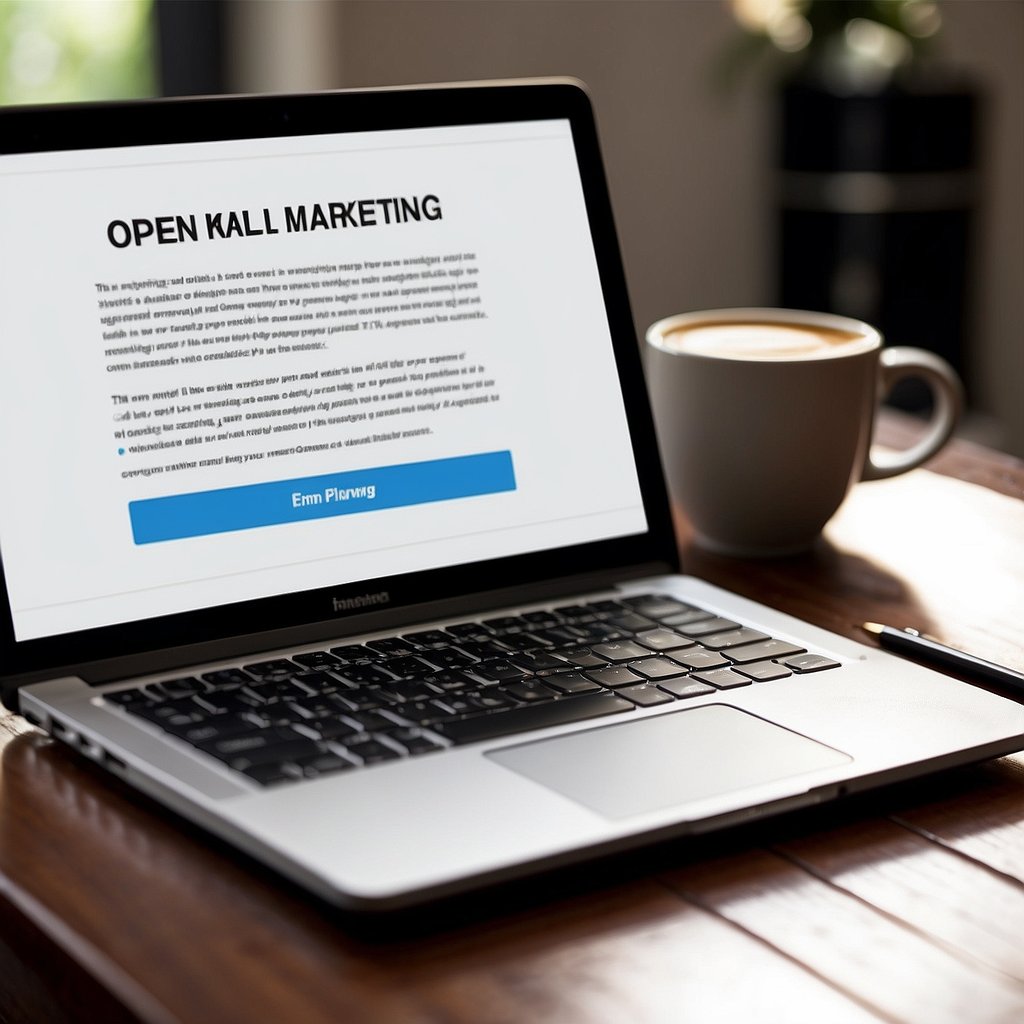
As a 50-plus senior, you might wonder how email marketing can benefit you. Email marketing is a powerful tool that can help you stay informed, connected, and engaged with the world around you. In this section, we’ll explore the demographics of 50-plus seniors and the psychology of email engagement in seniors.
Demographics of 50 Plus Seniors
According to recent studies, seniors aged 50 and above are the fastest-growing demographic group in the world. In the United States alone, over 100 million people are aged 50 and above. This diverse demographic group includes people from all walks of life, including retirees, working professionals, and caregivers.
Psychology of Email Engagement in Seniors
Email marketing is an effective way to engage seniors because it allows them to stay connected with the world around them. Seniors often feel isolated or disconnected from society; email can help bridge that gap. Email marketing can also give seniors valuable information, such as health tips, financial advice, and community events.
To maximize email engagement among seniors, it’s essential to understand their psychology. Seniors are often more cautious and skeptical than younger generations, so building trust and credibility with your email campaigns is essential. Using clear and concise language, providing valuable information, and avoiding hype or exaggeration can help build trust with seniors.
In conclusion, email marketing is a powerful tool that can benefit seniors in many ways. By understanding the demographics of 50-plus seniors and the psychology of email engagement in seniors, you can create effective email campaigns that resonate with this important demographic group.
Strategies for Crafting Senior-Friendly Emails

As a marketer, it’s essential to create emails that are senior-friendly and easy to understand. Here are some strategies to help you craft effective emails for seniors.
Personalization Techniques
Personalization is a great way to tailor your email to your senior audience. Use their first name in the subject line or greeting to grab their attention. You can also segment your email list based on age and send targeted emails to your senior subscribers.
Clarity and Simplicity
Seniors appreciate clarity and simplicity in their emails. Use clear and concise language and avoid using jargon or technical terms. Keep your sentences short and to the point. Use bullet points and lists to break up your content and make it easier to read.
Mobile Optimization
Many seniors use their smartphones to check their emails. Ensure your email is mobile-optimized using a responsive design that adjusts to different screen sizes. Use a legible font size and avoid using too many images or videos that could slow down the loading time.
By following these strategies, you can maximize your email ROI and connect with your senior audience in a friendly and effective way.
Best Practices for Email Timing and Frequency

Determining the Best Time to Send Emails
When it comes to email marketing, timing is everything. You want to make sure that your emails are sent at a time when your target audience is most likely to engage with them. For 50-plus seniors, it’s important to consider their daily routines and schedules.
One of the best times to send emails to this demographic is during the early morning hours, between 6 a.m. and 9 a.m. This is when most seniors tend to check their emails and catch up on news. Another good time is during the late afternoon, between 4 p.m. and 6 p.m. when seniors are winding down their day and have more free time to read their emails.
It’s important to remember that timing can vary depending on your specific audience and their habits. Consider conducting A/B testing to determine the best time for your particular email campaign.
Frequency and Unsubscription Rates
While it’s important to stay top of mind with your audience, bombarding them with too many emails can lead to high unsubscribe rates. On the other hand, sending too few emails can result in your audience forgetting about you altogether.
A good rule of thumb for 50-plus seniors is to send no more than one email per week. This allows you to stay in touch without overwhelming your audience. It’s also important to make sure that your emails provide value to your audience and do not just promote your products or services.
By following these best email timing and frequency practices, you can maximize your email ROI and keep your 50-plus senior audience engaged and interested in what you offer.
Analyzing Email Campaign Performance

As a 50-plus senior, you understand the importance of maximizing your email ROI. One way to achieve this is by analyzing your email campaign performance. Monitoring key metrics and conducting A/B testing can improve engagement and increase your ROI.
Key Metrics to Monitor
There are several key metrics to monitor when analyzing your email campaign performance. These include:
- Open Rate: The percentage of recipients who opened your email.
- Click-Through Rate (CTR): The percentage of recipients who clicked on a link within your email.
- Conversion Rate: The percentage of recipients who completed a desired action, such as purchasing or filling out a form.
- Bounce Rate: The percentage of undeliverable emails returned to the sender.
By monitoring these metrics, you can identify areas for improvement and make adjustments to your email campaigns.
A/B Testing for Improved Engagement
A/B testing is a powerful tool for improving engagement and maximizing your email ROI. You can determine what resonates best with your audience by testing different elements of your email campaigns, such as subject lines, call-to-action buttons, and images.
To conduct an A/B test, you would send two versions of your email to a small portion of your list. The version that performs better is then sent to the remaining recipients. Using A/B testing, you can optimize your email campaigns for maximum engagement and ROI.
In conclusion, analyzing your email campaign performance is crucial for maximizing your ROI. Monitoring key metrics and conducting A/B testing can improve engagement and increase your success.
Legal Compliance and Ethical Considerations
As a senior marketer, it’s essential to be aware of legal compliance and ethical considerations regarding email marketing. Below are two critical areas you need to keep in mind:
CAN-SPAM Act Compliance
The CAN-SPAM Act is a law that sets the rules for commercial email, establishes requirements for commercial messages, and gives recipients the right to stop receiving emails they don’t want. As a senior marketer, you must ensure your email campaigns comply with this law.
Here are some of the critical requirements of the CAN-SPAM Act:
- Don’t use false or misleading header information
- Don’t use deceptive subject lines
- Identify the message as an advertisement
- Include a valid physical postal address
- Provide a clear and conspicuous opt-out mechanism
- Honor opt-out requests promptly
By complying with the CAN-SPAM Act, you can avoid legal issues and improve your brand’s reputation.
Privacy and Data Protection
Privacy and data protection are critical considerations for any marketer but especially important for senior marketers. Seniors are often more vulnerable to scams and fraud, so protecting their personal information is crucial.
Here are some best practices for protecting privacy and data:
- Collect only the information you need
- Store data securely
- Obtain consent before collecting personal information.
- Provide a clear privacy policy
- Honor requests for data deletion or correction
Following these best practices can build trust with your audience and protect their personal information.
In conclusion, legal compliance and ethical considerations are essential for any senior marketer looking to maximize email ROI. By following the CAN-SPAM Act and best practices for privacy and data protection, you can ensure that your email campaigns are effective and ethical.