
What No One Tells You About Senior Concerns

Navigating Senior Concerns - Strategies for a Joyous Retirement Life. Bill Signing Ceremony for Legislation Affecting Seniors
Unspoken Reality of Retirement for Seniors: As a senior citizen, I know that there are many concerns to navigate in our daily lives.
Health, financial, social, and emotional matters significantly affect our well-being and happiness.
This article will explore these concerns and how they intersect while offering strategies to address them effectively.
Having a clear understanding of our health and taking the necessary steps to maintain it should be a top priority for seniors.
It includes regular checkups with healthcare providers, adhering to prescribed treatments, and staying up-to-date with age-related health screenings.
Additionally, managing financial stress is crucial in maintaining our overall health.
It is especially true as financial issues strongly impact our mental well-being, and achieving financial stability can contribute to a better quality of life.
Developing and maintaining social connections is also essential for seniors. According to research, social relationships are important determinants of health.
Creating strong support networks, participating in social activities, and seeking interaction with individuals who share our interests and values are vital.
Embracing these concerns with a confident, knowledgeable, and neutral approach, we can effectively address the health, financial, social, and emotional challenges that we face as seniors and contribute to improving our overall well-being.
Senior health, finance, and social concerns have become increasingly important as the population ages.
Seniors face unique challenges that require attention and care. Understanding these concerns is crucial to addressing them effectively.
Health concerns are one of the most pressing issues for seniors. As people age, they become more susceptible to chronic conditions such as heart disease, diabetes, and cancer.
These conditions can significantly impact seniors' quality of life, making it essential to address them.
In addition to physical health, seniors face mental health concerns such as depression and anxiety, which can be equally debilitating.
Financial challenges are another significant concern for seniors.
Many seniors live on fixed incomes, making it difficult to cover expenses such as healthcare and housing.
This financial strain can lead to stress and anxiety, affecting seniors' overall well-being. Social isolation and loneliness can also significantly impact seniors' health and well-being.
Key Takeaways
- Seniors face unique challenges in health, finance, and social aspects.
- Chronic conditions and mental health concerns are pressing health issues for seniors.
- Financial challenges and social isolation are significant concerns that affect seniors' well-being.
Understanding Senior Concerns
As people age, they face unique challenges impacting their health, finances, and social lives.
Understanding these concerns is essential for addressing the needs of seniors and improving their quality of life.
Health Issues
Seniors face a range of health issues that can impact their daily lives.
Chronic conditions like arthritis, diabetes, and heart disease can limit mobility and require ongoing medical care.
Dementia and Alzheimer's disease can affect cognitive function and memory. Falls are also a significant concern for seniors, as they can result in severe injuries and long-term disabilities.
To address these health issues, seniors should maintain a healthy lifestyle that includes regular exercise, a balanced diet, and regular checkups with their healthcare provider.
They should also take steps to prevent falls, such as removing trip hazards in their home and using assistive devices like grab bars and handrails.
Financial Challenges
Seniors may face financial challenges as they age, mainly if they live on a fixed income.
Healthcare costs can be a significant expense, especially for those with chronic conditions.
Housing costs, including mortgage or rent payments, property taxes, and home maintenance, can also be a burden.
To address these financial challenges, seniors should consider working with a financial planner to create a budget and plan for retirement.
They should also explore options for reducing healthcare costs, such as Medicare or Medicaid, and look into programs that assist with housing and other expenses.
Social Aspects
Social isolation and loneliness can be major concerns for seniors, mainly if they live alone or have limited mobility.
It can lead to depression, anxiety, and other mental health issues. Seniors may also face social stigma and discrimination based on their age.
To address these social concerns, seniors should stay connected with friends and family, participate in social activities, and consider volunteering or joining a community group.
They should also be aware of their rights and advocate for themselves if they experience age discrimination.
Overall, understanding the unique concerns of seniors is essential for improving their quality of life.
We can help seniors live happy, healthy, and fulfilling lives by addressing health, financial, and social issues.
Health Concerns in Seniors
Unspoken Reality of Retirement for Seniors: As people age, they become more susceptible to various health issues.
Seniors often face various physical and mental health concerns affecting their overall well-being.
This section will discuss seniors' most common health concerns, including physical health, disease, nutrition, and mental health.
Physical health is a significant concern for seniors at a higher risk for falls and injuries.
Regular exercise and physical activity can help reduce the risk of falls and improve overall health outcomes.
Additionally, seniors should undergo regular screenings for hypertension, diabetes, and cancer.
The disease is another significant concern for seniors, who are more likely to develop chronic conditions such as heart disease, arthritis, and dementia.
Medicare is an essential resource for seniors to access health care services to manage these conditions.
However, healthcare costs can still significantly burden seniors, particularly those with limited financial resources.
Nutrition is also crucial to senior health, as seniors may struggle with maintaining a healthy diet.
Malnutrition can lead to various health issues, including weakened immune systems and increased risk of falls.
Seniors should eat a balanced diet that includes fruits, vegetables, whole grains, and lean protein.
Mental health is another vital concern for seniors at a higher risk for depression, anxiety, and other mental health issues.
Social isolation and loneliness can also contribute to poor mental health outcomes.
Seniors should have access to mental health care services to manage these concerns and improve their overall well-being.
Seniors face various health concerns that can impact their overall well-being.
Addressing these concerns through regular exercise, screenings, and access to health care services is essential.
Additionally, seniors should strive to maintain a healthy diet and prioritize their mental health to improve their quality of life.
Financial Challenges Faced by Seniors
Older adults in the United States face numerous financial challenges that can affect their well-being.
According to a study published in the Journal of Gerontology, approximately one-third of older adults report financial strain, defined as difficulty making ends meet.
Moreover, 60% of seniors experience a financial shock each year, such as a sizeable unanticipated expense or loss of income.
These financial challenges are particularly acute for seniors who are low-income, disabled, or Black.
One of the primary financial challenges seniors face is the lack of retirement savings.
Many seniors did not have access to employer-sponsored retirement plans during their working years, and others did not save enough for retirement.
As a result, many seniors rely on Social Security as their primary source of income in retirement.
However, Social Security benefits are often insufficient to cover the cost of living, particularly for seniors with high medical expenses or living in areas with a high cost of living.
Another financial challenge faced by seniors is the cost of long-term care.
Many seniors require long-term care services, such as home health care or nursing home care, but these services can be expensive.
According to the Genworth Cost of Care Survey, the national median cost of a private room in a nursing home is $105,850 per year, and the national median cost of a home health aide is $54,912 per year.
These costs can quickly deplete seniors' savings and leave them financially insecure.
Seniors who are housing insecure also face significant financial challenges.
Many seniors struggle to afford safe and affordable housing, particularly in areas with high housing costs.
According to the Joint Center for Housing Studies of Harvard University, more than half of renters aged 65 and older are cost-burdened, which means they spend more than 30% of their income on housing.
It can leave seniors with little money for other expenses, such as food, transportation, and healthcare.
To address these financial challenges, seniors can take several steps.
They can work with a financial planner to develop a retirement plan and explore investment options to help them grow their wealth.
Seniors can also consider government programs, such as Social Security and Medicaid, which can provide financial assistance for healthcare and long-term care expenses.
Additionally, seniors can explore affordable housing options, such as subsidized housing and housing vouchers, to reduce housing costs and improve their financial Security.
Social Issues Encountered by Seniors
Unspoken Reality of Retirement for Seniors: Seniors face several social issues that can impact their health and well-being.
These issues can arise due to changes in their living arrangements, loss of loved ones, and decreased mobility.
Here are some of the social issues that seniors commonly encounter:
Social Isolation and Loneliness
Social isolation and loneliness are common among seniors, especially those living alone or with limited mobility.
Research has linked social isolation and loneliness to higher risks for various physical and mental conditions, including high blood pressure, heart disease, obesity, anxiety, depression, cognitive decline, Alzheimer's disease, and even death. 1
Transportation
Transportation can be a significant issue for seniors, especially those living in rural areas with limited mobility.
Lack of transportation can prevent seniors from accessing healthcare services, social activities, and other essential resources. 2
Housing
Seniors may face issues related to housing, including affordability, accessibility, and safety.
Many seniors live on fixed incomes and may struggle to afford safe and comfortable housing.
They may also face challenges maintaining and modifying their homes to accommodate changing needs. 3
Abuse and Neglect
Seniors may experience abuse or neglect from family members, caregivers, or others in their communities.
It can take many forms, including physical, emotional, and financial abuse.
Seniors who experience abuse or neglect may be hesitant to report it due to fear or shame, making it essential for family members and caregivers to be vigilant and report any signs of abuse or neglect. 4
Community Partnerships and Organizations
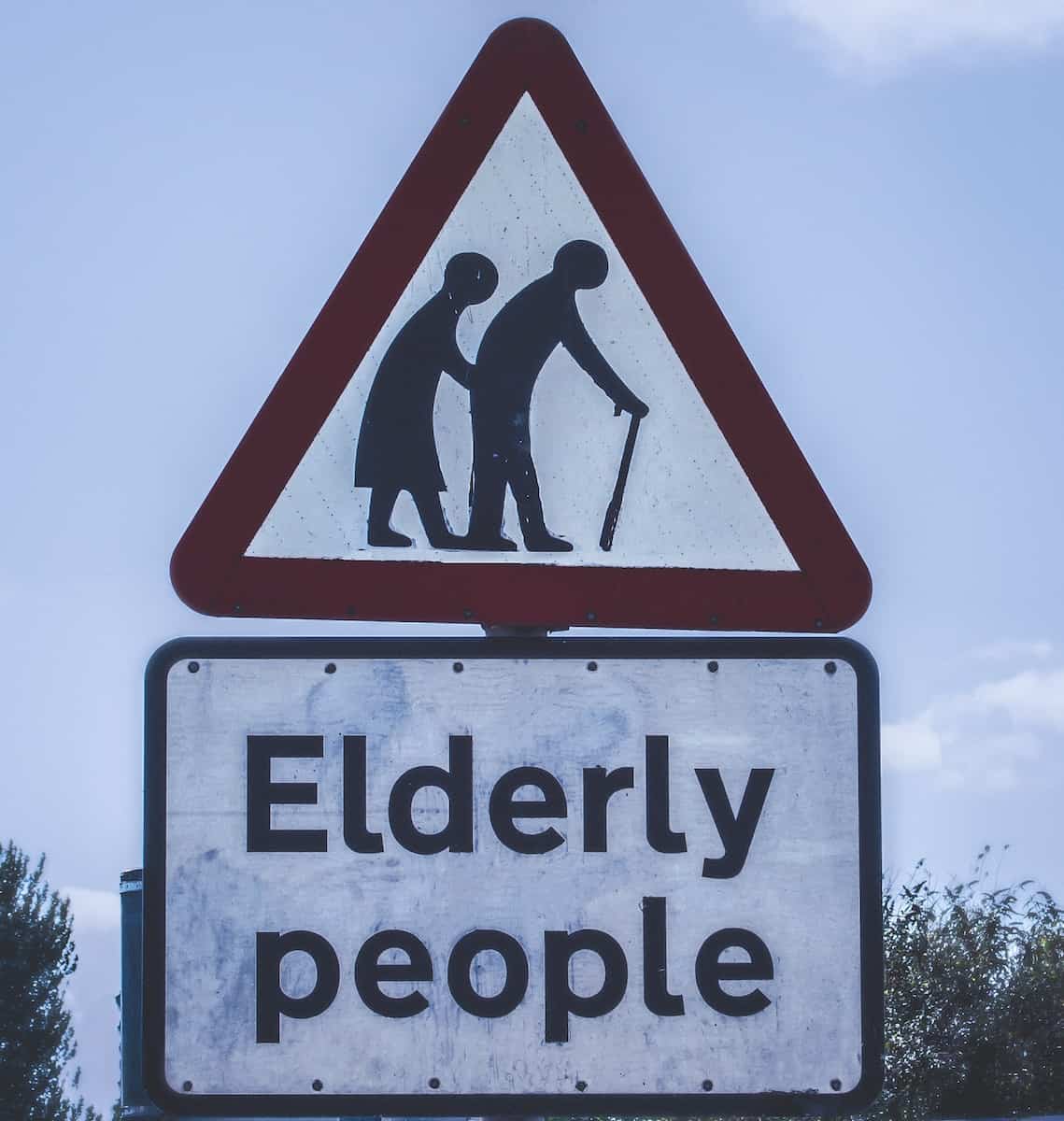
Discover Hidden Partnership Organizations for a fulfilling Retirement for Elder People. Photo by K. Mitch Hodge
Community partnerships and organizations can play a critical role in addressing social issues faced by seniors.
These organizations can provide various services, including transportation, social activities, healthcare services, and support groups.
They can also help seniors connect with other community members and resources. 5
In conclusion, seniors face several social issues impacting their health and well-being.
These issues can arise due to changes in their living arrangements, loss of loved ones, and decreased mobility.
Addressing these issues requires a multifaceted approach involving community partnerships, organizations, and family and caregiver support.
Footnotes
- https://www.nia.nih.gov/news/social-isolation-loneliness-older-people-pose-health-risks
- https://www.healthaffairs.org/doi/10.1377/hlthaff.2020.01470
- https://www.merckmanuals.com/professional/geriatrics/social-issues-in-older-adults/introduction-to-social-issues-in-older-adults
- https://www.ncbi.nlm.nih.gov/pmc/articles/PMC4338142/
- https://www.merckmanuals.com/home/older-people%E2%80%99s-health-issues/social-issues-affecting-older-people/introduction-to-social-issues-affecting-older-people
- NCOA created Resources and Support for Older Adults Living Alone: A Comprehensive Guide
Addressing Health Disparities
Health disparities among older adults are a significant concern that requires attention from policymakers, healthcare providers, and the public.
Social determinants of health, such as income, education, and access to healthcare, can affect the health outcomes of older adults.
Health disparities are preventable differences in the burden of disease, injury, violence, or opportunities to achieve optimal health experienced by socially disadvantaged racial, ethnic, and other population groups and communities [1].
The Affordable Care Act (ACA) and Medicaid expansion have helped to reduce health disparities among older adults by increasing access to healthcare services and improving the quality of care.
However, the COVID-19 pandemic has highlighted the persistent health inequities faced by older adults, particularly those from racial and ethnic minority groups.
Public health interventions to reduce health disparities should consider the social determinants of health that affect older adults' health outcomes.
These interventions should include increasing access to healthcare services, improving the quality of care, and addressing structural barriers to healthcare access.
Addressing health disparities among older adults requires a multi-pronged approach that involves policymakers, healthcare providers, and the public.
It is essential to recognize the social determinants of health that affect older adults' health outcomes and to implement interventions that address these determinants.
The ACA and Medicaid expansion has been instrumental in reducing health disparities among older adults. Still, more must be done to ensure equitable access to healthcare services for all older adults, especially during the COVID-19 pandemic.
References
- CDC. (n.d.). Health Disparities. Centers for Disease Control and Prevention. Retrieved August 5, 2023, from https://www.cdc.gov/aging/disparities/index.htm
Innovative Solutions for Senior Concerns

Mans significant concern for higher risk for their Physical Health
Innovative solutions are being developed to address the concerns of seniors in health, finance, and social aspects.
These solutions are designed to improve the quality of life for seniors and help them maintain their independence for as long as possible.
One innovative solution is the use of data to identify seniors who are at risk of falling.
Data on seniors' movements and activities are collected using sensors and other technologies.
This data is then analyzed to identify patterns that indicate a higher risk of falling.
This information allows healthcare providers to develop personalized plans to help seniors reduce their fall risk.
Another innovative solution is using telemedicine to improve access to healthcare for seniors.
Telemedicine allows seniors to receive medical care from the comfort of their homes, reducing the need for travel and making it easier for seniors to receive care.
This technology also allows healthcare providers to monitor seniors' health remotely, making detecting and treating health issues easier before they become serious.
Innovative processes are also being developed to help seniors manage their finances.
For example, some financial institutions offer mobile banking services allowing seniors to manage their finances from smartphones.
It makes it easier for seniors to keep track of their finances and avoid financial scams.
Resources are also being developed to help seniors stay socially connected.
For example, some communities are developing senior centers that offer a variety of social activities, such as exercise classes, art classes, and book clubs.
These centers provide seniors with a place to socialize and make new friends, reducing the risk of social isolation.
Stakeholders, including healthcare providers, financial institutions, and community organizations, are working together to develop innovative solutions for senior concerns.
Leadership from these stakeholders is critical to the success of these solutions, as they must work together to identify and address the unique needs of seniors.
Finally, innovators are developing new technologies and services to help seniors remain independent.
For example, some companies are developing innovative home technologies allowing seniors to control their homes using smartphones.
These technologies can help seniors live independently longer, reducing the need for assisted living or nursing home care.
Overall, innovative solutions are being developed to address the concerns of seniors in health, finance, and social aspects.
These solutions are designed to improve the quality of life for seniors and help them maintain their independence for as long as possible.
The Role of Businesses and Investments

Get expert insights on overcoming health, financial challenges in the golden years. Photo by Aymanejed
Businesses and investments are critical in addressing senior health, finance, and social concerns.
They can create real value through attention to environmental sustainability, social responsibility, and good governance [1]. The following paragraphs will discuss how businesses and investments can contribute to addressing senior concerns.
Investments
Investors, including institutional investors, can drive change in the companies they invest in.
They can push for better environmental, social, and governance (ESG) practices, which can help address senior health, finance, and social concerns.
For example, they can advocate for companies to provide better workplace health and safety measures, which can help prevent workplace accidents and injuries and improve employees' overall health and well-being [2].
Businesses
Businesses can also play a critical role in addressing senior concerns.
They can optimize benefits, address social issues, and expand access to care [3].
For instance, they can provide flexible work arrangements, which can help seniors to balance work and caregiving responsibilities.
Additionally, they can offer financial planning and retirement services, which can help seniors to manage their finances and plan for retirement.
Workforce
Workforce concerns are also essential to address. Employers can take steps to attract and retain the kind of people they need in their business.
For instance, they can offer competitive salaries and benefits, provide opportunities for career advancement, and create a supportive work environment [2].
In conclusion, businesses and investments can create value and drive change in addressing senior health, finance, and social concerns.
Advocating for better ESG practices, optimizing benefits, addressing social issues, and expanding access to care can help improve seniors' lives and create a more equitable society.
[1] Harvard Business Review. Social-Impact Efforts That Create Real Value. https://hbr.org/2020/09/social-impact-efforts-that-create-real-value
[2] Harvard Business Review. The Investor Revolution. https://hbr.org/2019/05/the-investor-revolution
[3] Harvard Business Review. Employers Can Do More to Advance Health Equity. https://hbr.org/2023/01/employers-can-do-more-to-advance-health-equity
Government Policies and Programs
The government has implemented various policies and programs to address senior health, finance, and social concerns.
These policies and programs aim to provide seniors access to affordable healthcare, financial Security, and social support.
One of the most significant government programs for seniors is Medicare.
Medicare is a federal health insurance program that covers people 65 or older and those with specific disabilities or chronic conditions.
The program covers a range of healthcare services, including hospital stays, doctor visits, and prescription drugs.
Another important program is Medicaid, which provides healthcare coverage for low-income seniors and individuals with disabilities.
The federal government and individual states jointly fund Medicaid, and eligibility requirements vary by state.
Social Security is another critical program that provides financial support to seniors.
The program provides retirement, disability, and survivor benefits to eligible individuals.
Social Security benefits are funded through payroll taxes and are designed to provide a basic level of financial Security for seniors.
The Affordable Care Act (ACA) is another government policy impacting seniors.
The ACA includes provisions that aim to improve seniors' healthcare access, including expanding Medicaid and creating new healthcare marketplaces.
In addition to these programs, the government has implemented various policies to address externalities that affect seniors.
For example, the government has implemented policies to address age discrimination in the workplace and to promote the development of age-friendly communities.
The government has implemented various policies and programs to address senior health, finance, and social concerns.
These policies and programs are critical in providing seniors access to affordable healthcare, financial Security, and social support.
Unspoken Reality of Retirement for Seniors - The Impact of Environmental Factors
Environmental factors can significantly impact the health and well-being of seniors.
Poor air quality, exposure to harmful chemicals, and inadequate access to clean water can all contribute to health problems.
Verywell Health states air pollution has been linked to various health issues, including lung cancer, COPD, and SIDS.
Additionally, exposure to chemicals such as lead and mercury can cause cognitive decline and other health problems in seniors.
Access to clean water is also essential for maintaining good health.
Seniors living in areas with contaminated water may be at risk for various health problems, including gastrointestinal issues and infections.
According to the Healthy People 2030 initiative, social determinants of health, such as access to clean water, can significantly impact health outcomes.
Local communities and development can also influence the environmental factors that affect seniors.
For example, seniors who live in areas with high levels of noise pollution may experience increased stress levels and difficulty sleeping.
Additionally, seniors who live in areas with inadequate access to public transportation may have difficulty accessing healthcare and other essential services.
Overall, it is essential to address environmental factors when considering the health and well-being of seniors.
By promoting clean air and water, reducing exposure to harmful chemicals, and improving access to essential services, we can help seniors live healthier, happier lives.
Conclusion
In conclusion, addressing senior health, finance, and social concerns is crucial to ensure their overall well-being and quality of life.
It is important to note that progress has been made in these areas, but there is still work to be done.
In terms of health, there have been advancements in medical technology and treatments that have improved the lives of seniors.
However, there are still issues with healthcare accessibility and affordability that need to be addressed.
Seniors should have access to quality healthcare that meets their specific needs.
Financial health is also a crucial aspect of senior well-being.
Financial Security can significantly impact their quality of life and ability to access necessary resources.
It is vital to ensure seniors have access to financial resources and education to help them make informed decisions.
Social participation and engagement are also essential for seniors' well-being.
Social isolation can negatively impact mental and physical health, so providing opportunities for socialization and engagement is crucial.
Addressing senior health, finance, and social concerns is necessary to improve their overall well-being and quality of life.
By addressing these concerns, seniors can continue to live fulfilling and independent lives.
Frequently Asked Questions
1. FAQ: What are some common barriers to healthcare for seniors?
Answer: Seniors often face several barriers to accessing healthcare, including transportation issues, lack of health insurance or underinsurance, and difficulty finding a healthcare provider who understands their unique needs.
Additionally, seniors may be reluctant to seek medical care due to financial concerns or fear of losing their independence.
2. FAQ: How can we improve healthcare access for older people?
Answer: Improving healthcare access for seniors requires a multifaceted approach.
Some strategies that can help include increasing funding for senior healthcare programs, expanding Medicare coverage, and investing in telehealth technology to allow seniors to access healthcare services remotely.
Additionally, healthcare providers can work to improve their cultural competence and provide care tailored to seniors' unique needs.
3. FAQ: What are some effective strategies for addressing the health needs of an aging population?
Answer: To address the health needs of an aging population, healthcare providers should focus on preventative care, including regular health screenings and vaccinations.
Additionally, providers should offer patient-centered care that considers seniors' physical, emotional, and social needs.
Investing in research to better understand the health needs of seniors and developing new treatments and therapies can also be effective strategies.
4. FAQ: What are the social issues that most affect senior citizens?
Answer: Social isolation and loneliness are significant issues affecting many seniors, especially those living alone or with limited social connections.
Financial insecurity, ageism, and elder abuse are also social issues that can negatively impact the lives of seniors.
5. FAQ: How can we improve the social aspect of senior citizens' lives?
Answer: To improve the social aspect of senior citizens' lives, communities can invest in programs and services that promote social connections and engagement.
It can include senior centers, volunteer opportunities, and intergenerational programs that bring seniors together with younger generations.
Additionally, healthcare providers can work to address social determinants of health, such as housing insecurity and food insecurity, that can impact the health and well-being of seniors.
6. FAQ: What are some practical ways to reduce health concerns for older people?
Answer: Reducing health concerns for older people requires a comprehensive approach that includes preventative care, early intervention and ongoing management of chronic conditions.
Healthcare providers can work with seniors to develop individualized care plans that address their unique health needs and goals.
Additionally, investing in research to better understand the health needs of seniors and developing new treatments and therapies can help to reduce health concerns for this population.
7. FAQ: How can communities support seniors' overall well-being?
Answer: Communities can support seniors by promoting age-friendly programs, fostering intergenerational interaction, and providing resources that address our unique needs.
They can also work towards creating safe, accessible, and inclusive environments, both physically and emotionally, to help us thrive as we age.
Understanding concerns faced by seniors is essential for promoting overall well-being and ensuring that our golden years are as comfortable and fulfilling as possible.
By recognizing these challenges and implementing strategies to maintain health, financial stability, social connections, and emotional well-being, seniors can successfully navigate the complexities of aging.
Related Articles From Around The Web
Here are some related articles that can provide more depth and perspective on "Concerns for Seniors." A link to the full article accompanies each summary.
1. Health Concerns in Aging: Top Five Issues
This comprehensive article discusses seniors' most common health concerns and how to deal with them. Topics include chronic diseases, physical injury, mental health issues, malnutrition, and sensory impairments.
Read the full article here https://www.uhhospitals.org/blog/articles/2016/07/top-8-health-concerns-for-seniors
2. Retirement Planning: How to Plan for a Successful RetirementThis article provides a step-by-step guide to planning a successful and financially secure retirement, a significant concern for many seniors.Read the full article here https://www.nerdwallet.com/article/investing/retirement-planning-how-to-plan-for-a-successful-retirement
3. Loneliness and Social Isolation Linked to Serious Health Conditions
This insightful article explores the link between social isolation, loneliness, and severe health conditions in older adults. It also provides strategies for enhancing social connections.
Read the full article here https://www.cdc.gov/aging/publications/features/lonely-older-adults.html
4. Understanding and Managing Emotional Health in Seniors
This article covers seniors' prevalent emotional health concerns, such as depression and anxiety. It also offers various ways to manage these concerns effectively.
Read the full article here https://www.apa.org/topics/older-adults-emotional-health
5. Elderly Care: How to Care for Aging Parents
This article provides valuable insights into caring for aging parents, covering various concerns such as health, finance, and emotional well-being.
Read the full article here (https://www.agingcare.com/articles/10-government-programs-caregivers-can-access-for-their-elderly-parents-120513.htm)
Learn More About Concerns for Seniors On This Site
You can find more resources and articles on this site about 'Concerns for Seniors.' Each piece provides unique insights and practical strategies to address these concerns effectively. Check out these related stories:
1. The Importance of Regular Health Checkups for Seniors
2. Financial Planning: A Guide for Seniors
3. Connecting Seniors: Combating Loneliness in Older Adults
4. Ensuring Emotional Well-being for Seniors: A Comprehensive Guide
Call To Action
Navigating the complexities of aging can feel overwhelming, but you're not alone in this journey. Get the support and insights you need to transform your later years into a time of growth, discovery, and joy. ** Join our community today** and start making the most of your senior years!