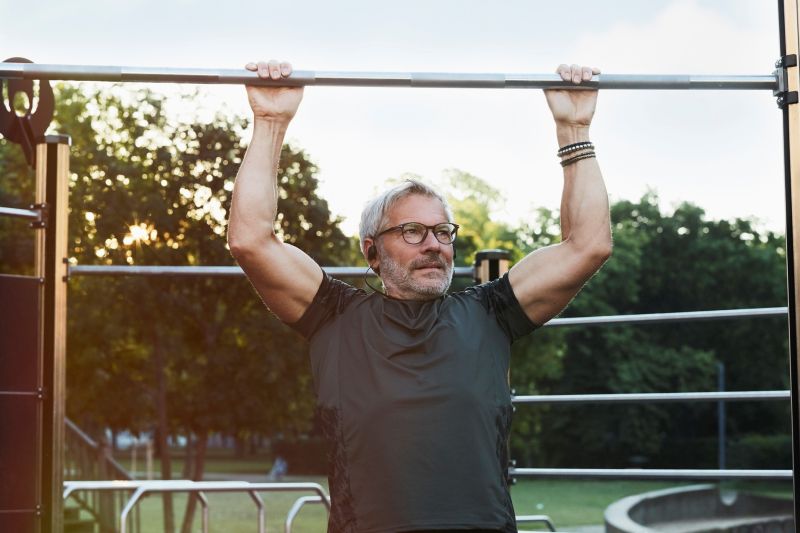
Tips for Staying Strong and Healthy in Retirement
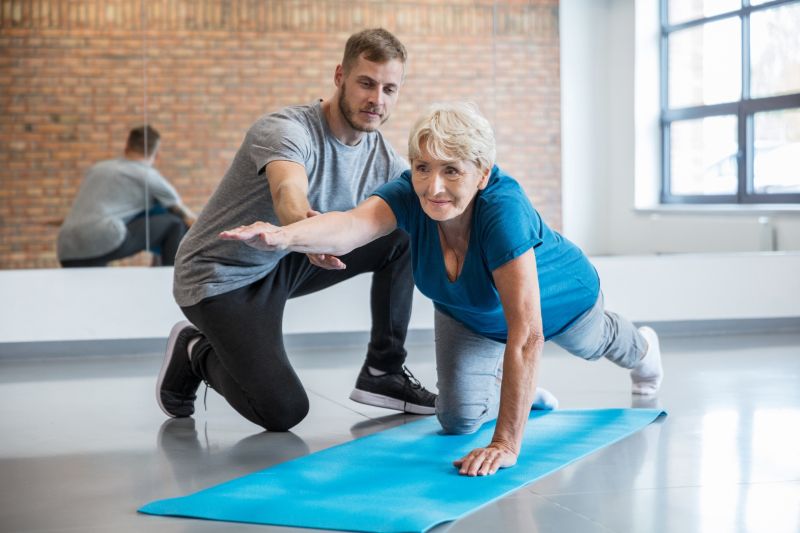
Senior woman stretching and improving flexibility with guidance from The Senior Fitness Guide. Stock Free Image
Retirement is a time for relaxation and enjoyment and to focus on staying healthy and active.
As we age, it becomes increasingly important to maintain a healthy lifestyle to prevent illness and injury.
One way to do this is through regular exercise specifically tailored to the needs of seniors.
The Senior Fitness Guide is a comprehensive resource for seniors looking to stay strong and healthy during retirement.
This guide provides detailed information on exercises and activities that are safe and effective for seniors, focusing on improving strength, balance, and flexibility.
Whether you're a lifelong fitness enthusiast or just starting,
The Senior Fitness Guide offers valuable tips to help you maintain your health and well-being.
Understanding Senior Fitness
As we age, it's essential to maintain our physical health through regular exercise and physical activity.
Senior fitness refers to older adults' specific exercise and physical activity needs.
Physical activity can help seniors maintain independence, improve their quality of life, and prevent or manage chronic health conditions.
Regular physical activity can also improve balance, flexibility, and strength, reducing the risk of falls and other injuries.
The benefits of exercise for seniors are numerous. Regular physical activity can help seniors:
- Maintain a healthy weight
- Improve cardiovascular health
- Reduce the risk of chronic diseases such as diabetes, arthritis, and osteoporosis.
- Improve cognitive function and reduce the risk of dementia
- Improve mood and reduce the risk of depression
- Improve sleep quality
Seniors must engage in physical activity appropriate for their fitness level and health status.
It may include walking, swimming, strength training, and yoga.
Before beginning any exercise program, seniors should consult with their healthcare provider to ensure they are healthy enough to engage in physical activity.
It's also important to start slowly and gradually increase the intensity and duration of exercise.
enior fitness is essential to maintaining overall health and well-being in retirement.
Regular physical activity can provide numerous physical and mental health benefits, and seniors should work with their healthcare provider to develop a safe and effective exercise program.
Importance of Exercise in Retirement
Retirement is a time when people can finally relax and enjoy their lives.
However, it is also a time when people become more sedentary, leading to health problems. Exercise is essential for seniors to stay healthy and active during their retirement years.
Regular exercise has numerous benefits for seniors, including improved physical and mental health, increased lifespan, and a reduced risk of health problems like heart disease, diabetes, and obesity.
Exercise can also help seniors maintain independence by improving their balance, strength, and flexibility.
In addition to the physical benefits, exercise also positively impacts mental health.
Exercise can help reduce stress, anxiety, and depression, which are common in retirement. Seniors who exercise regularly report feeling more energetic, happier, and more confident.
It's important to note that exercise doesn't have to be strenuous or time-consuming to be effective.
Even moderate exercise, such as walking, gardening, or swimming, can provide significant health benefits.
Seniors should aim for at least 30 minutes of moderate exercise most days of the week.
Exercise is crucial for seniors to stay healthy and active during retirement.
Regular exercise can improve physical and mental health, increase lifespan, and reduce the risk of health problems.
Seniors should prioritize exercise, find activities they enjoy, and can incorporate into their daily routines.
Different Types of Exercises
Walking and Running
Walking and running are great exercises to help seniors maintain their cardiovascular health.
They can be done outdoors or on a treadmill and are low-impact exercises that are easy on the joints.
Walking can be done at a moderate intensity for 30 minutes a day while running at a vigorous intensity for 20-25 minutes daily.
Strength Training
Strength training exercises are essential for seniors to maintain muscle mass and bone density.
Resist exercises such as weight lifting, push-ups, and squats can be done at a moderate intensity 2-3 times a week.
Seniors can also use resistance bands or bodyweight exercises for strength training.
Flexibility and Balance Exercises
Flexibility and balance exercises are essential for seniors to maintain mobility and prevent falls.
Yoga, Pilates, and stretching exercises can improve flexibility, while balance exercises such as standing on one foot or walking heel-to-toe can improve balance.
Aerobic Exercises
Aerobic exercises such as swimming, cycling, and dancing can improve cardiovascular health and are low-impact exercises that are easy on the joints.
Seniors can do these exercises at a moderate intensity for 30 minutes a day, five days a week.
In addition to these exercises, exercise classes designed for seniors incorporate various exercises to improve overall fitness.
It's essential to consult with a doctor before starting any exercise program and slowly and gradually increase intensity and duration.
Maintaining Muscle and Bone Health
Caring for our muscles and bones is vital to maintain overall health and mobility as we age. Here are some tips for maintaining muscle and bone health during retirement.
Building Muscle Mass
Resistance training is a great way to build muscle mass.
It can include weightlifting, resistance bands, or bodyweight exercises. It's important to start slowly and gradually increase the weight or resistance over time.
Incorporating protein into your diet can also help with muscle building. Lean meats, fish, beans, and nuts are all excellent protein sources.
Improving Bone Density
Weight-bearing exercises are great for improving bone density. These can include walking, jogging, or dancing.
Choosing exercises safe for your fitness level and any pre-existing conditions is essential.
Calcium and vitamin D are also crucial for bone health. Dairy products, leafy greens, and fortified foods are good sources of calcium. Vitamin D can be obtained through sunlight exposure or supplements.
You can maintain muscle and bone health during retirement by incorporating resistance training, protein, weight-bearing exercises, and calcium and vitamin D into your routine.
Exercise Equipment and Locations
Gym and Fitness Centers
Gym and fitness centers are great places to exercise, especially if you prefer using treadmills, weight machines, and dumbbells.
Most gyms offer a variety of classes, such as yoga, Pilates, and Zumba, which can be a fun way to stay active and meet new people.
When choosing a gym or fitness center, consider the following:
- Location: Choose a gym that is convenient for you to get to.
- Hours: Make sure the gym's hours fit your schedule.
- Cost: Compare prices and choose a gym that fits your budget.
- Equipment: Make sure the gym has the equipment you want to use.
Outdoor and Home Exercises
Plenty of options are available if you prefer to exercise outdoors or at home. Many parks have walking trails, playgrounds, and fitness equipment that you can use for free.
You can also exercise at home using resistance bands and dumbbells.
Here are some outdoor and home exercises you can try:
- Walking or jogging
- Cycling
- Swimming
- Golfing
- Resistance band exercises
- Dumbbell exercises
When exercising outdoors, be sure to wear comfortable clothing and sunscreen.
If you're unsure where to start, consider hiring a personal trainer to help you develop a workout plan that fits your needs and goals.
Remember, finding an exercise routine you enjoy and can stick to is the most important thing.
Whether you prefer working out at a gym or exercising outdoors, plenty of options are available to help you stay strong and healthy during retirement.
Adapting to Physical Conditions
As we age, our bodies undergo changes that may affect our ability to exercise. However, this doesn't mean that we should give up on staying active.
By adapting to our physical conditions, we can still enjoy the benefits of exercise and maintain our health and well-being.
Exercising with Chronic Conditions
If you have a chronic condition such as diabetes, heart disease, cancer, stroke, or arthritis, it's essential to consult with your doctor before starting any exercise program.
Your doctor can help you develop a safe and effective exercise plan that considers your condition.
When exercising with a chronic condition, slowly and gradually increasing your workouts' intensity and duration is essential.
You may also need to modify specific exercises to accommodate your condition.
For example, if you have arthritis, you may need to avoid high-impact exercises that can stress your joints.
Preventing Injuries and Falls
Falling is a common concern among seniors, and taking steps to prevent falls is essential.
It includes exercising regularly to maintain strength and balance and modifying your home to reduce the risk of falls.
It's essential to use proper form and technique when exercising to avoid injury.
You should also warm up before exercising and cool down afterward. If you experience pain or discomfort during exercise, stop immediately and consult with your doctor.
Here are some additional guidelines to help prevent injuries and falls:
- Wear appropriate footwear with good traction
- Use handrails when going up or down stairs
- Keep your home well-lit and free of clutter
- Install grab bars in the bathroom
- Use a walking aid if necessary
Adapting to physical conditions is essential to staying active and healthy during retirement.
By exercising safely and taking steps to prevent falls and injuries, you can enjoy the benefits of exercise and maintain your independence.
Staying Motivated and Consistent
Staying motivated and consistent with our exercise routine can be challenging as we age.
However, it is crucial to maintain an active lifestyle to stay strong and healthy during retirement years. Here are some tips to help you stay motivated and consistent.
Group Exercises and Social Activities
Joining a group exercise class or participating in social activities can be an excellent way to stay motivated and consistent with your exercise routine.
These activities provide a fun and social environment that can help you stay engaged and committed to your fitness goals.
You can also meet new people and make new friends, which can be a great way to stay motivated and accountable.
Personal Trainers
Hiring a personal trainer can be an excellent way to stay motivated and consistent with your exercise routine.
A personal trainer can create a customized exercise plan tailored to your needs and goals.
They can also provide guidance and support, which can help you stay motivated and accountable. A personal trainer can also help you track your progress and adjust your exercise routine.
Exercise Routines
Regular exercise can be an excellent way to stay motivated and consistent with your fitness goals.
Start by setting realistic goals and creating a plan to achieve them. Make sure to include a variety of exercises that target different muscle groups and incorporate both cardio and strength training.
You can also use apps or fitness trackers to help you track your progress and stay motivated.
Staying motivated and consistent with your exercise routine is essential for maintaining a healthy and active lifestyle during retirement.
Joining group exercises, hiring a personal trainer, and creating a regular exercise routine are all great ways to stay motivated and accountable.
Listening to Your Body and Health Professionals
As you age, your body may not be able to handle the same level of physical activity that it once could.
Listening to your body and adjusting your exercise routine is essential.
If you experience pain, shortness of breath, dizziness, or any other unusual symptoms during exercise, stop immediately and consult your doctor.
Speaking of doctors, checking in with them before starting any new exercise program is a good idea.
They can help you determine what types of exercise are safe for you and provide recommendations based on your health history and current condition.
Medicare also offers coverage for certain preventive services, including an annual wellness visit, which can help you stay on top of your health.
In addition to listening to your body and consulting with your doctor, working with qualified fitness professionals with experience working with seniors is essential.
They can help you develop an exercise program tailored to your needs and abilities and provide guidance on proper form and technique to help reduce the risk of injury.
Remember, staying active and healthy during retirement is essential for maintaining independence and quality of life.
By listening to your body and working with health professionals, you can stay strong and healthy for years.
Healthy Habits Outside of Exercise
Proper Hydration and Nutrition
Staying hydrated and eating a balanced diet is essential for maintaining good health. As we age, our bodies require more water to function correctly.
Drinking daily water can help digestion, circulation, and cognitive function.
It is recommended that seniors drink at least 8-10 glasses of water per day.
In addition to hydration, proper nutrition is also essential.
Eating various fruits, vegetables, lean proteins, and whole grains can help provide the necessary vitamins and minerals our bodies need.
Limiting processed foods, sugary drinks, and excessive salt and saturated fats is also essential.
Reducing Sedentary Behavior
Sedentary behavior can negatively affect our health. It can lead to weight gain, poor circulation, and an increased risk of chronic diseases such as diabetes and heart disease.
To combat sedentary behavior, try incorporating more physical activity into your day.
It can include activities such as biking, hiking, gardening, or even just taking a walk around the neighborhood. Taking breaks throughout the day to stretch and move around is also important.
Chair exercises can also be a great way to stay active while sitting. These exercises can help improve flexibility, strength, and even blood sugar levels.
Some chair exercises include leg lifts, arm curls, and seated marches.
Seniors can improve their overall health and well-being by incorporating healthy habits outside of exercise.
Proper hydration and nutrition and reducing sedentary behavior can help maintain a healthy body mass and shape, improve metabolism, and reduce the risk of chronic diseases.