
Your Way to a Better Lifestyle In your Golden Years

Improve Essential tips to help Seniors Stay Active and Healthy and make a difference in their Golden Years. (Stock Free Image)
Staying active and healthy is essential for people of all ages, but it becomes even more crucial as one enters their golden years.
As people age, their bodies undergo several changes, making it difficult to maintain an active lifestyle.
However, staying active and healthy can help elders maintain their independence and improve their quality of life.
This article will discuss ten essential tips to help seniors stay active and healthy in their golden years.
The tips mentioned in this article are simple yet effective ways to stay active and healthy.
They include staying hydrated, eating a balanced diet, and getting enough sleep.
Additionally, the article will cover the importance of regular exercise and provide some tips for seniors who may be new to exercise.
By following these tips, elders can improve their health and well-being and enjoy their golden years.
Golden Years for Elders Staying Active and Healthy
As people age, it becomes increasingly important to maintain a healthy lifestyle.
It includes regular physical activity, a balanced diet, and good sleep hygiene.
Here are Ten Essential Tips for staying active and healthy in your golden years:
Tip 1: Exercise Regularly
Regular exercise is crucial to maintaining good health as you age.
It can help improve balance, flexibility, and strength, reducing the risk of falls and injuries.
Aim for at least 30 minutes of moderate-intensity exercise most days of the week, such as brisk walking, cycling, or swimming.
Tip 2: Maintain a Healthy Diet
A balanced diet is essential to good health.
Eat various nutrient-dense foods, including fruits, vegetables, whole grains, lean protein, and healthy fats.
Limit your intake of processed and high-fat foods and sugary drinks and snacks.
Tip 3: Get Enough Sleep
Good sleep is vital to your overall health and well-being.
Aim for 7-9 hours of sleep each night and create a sleep-friendly environment by keeping your bedroom cool, dark, and quiet.
Tip 4: Manage Stress
Stress can take a toll on your physical and mental health. Practice stress-reducing techniques such as mindfulness, deep breathing, or yoga.
Engage in activities like reading, gardening, or spending time with friends and family.
Tip 5: Stay Hydrated
Drinking enough water is crucial to good health.
Aim for at least 8-10 cups of water each day, and limit your intake of sugary drinks, soda, and alcohol.
Tip 6: Avoid Smoking and Excessive Drinking
Smoking and excessive drinking can have serious health consequences.
If you smoke, talk to your doctor about quitting.
Limit your alcohol intake to one drink per day for women and two for men.
Tip 7: Stay Informed About Your Health
Stay informed about your health by scheduling regular check-ups with your doctor.
And staying up-to-date on recommended screenings and vaccinations.
Be aware of any changes in your body and report them to your doctor promptly.
Tip 8: Stay Socially Active
Social connections are essential to good health.
Stay socially active by joining clubs or organizations, volunteering, or participating in community events.
Tip 9: Keep Your Mind Active
Keeping your mind active can help reduce the risk of dementia and other cognitive decline.
Engage in activities that challenge your brain, such as reading, puzzles, or learning a new skill.
Tip 10: Stay Motivated
Staying motivated can be a challenge, but it's essential to maintaining a healthy lifestyle.
Set realistic goals, track your progress, and reward yourself for your achievements.
Remember, it's never too late to take action and improve your health.
Following these ten essential tips, you can maintain a healthy lifestyle and enjoy your golden years.
The Importance of Staying Active and Healthy in Your Golden Years
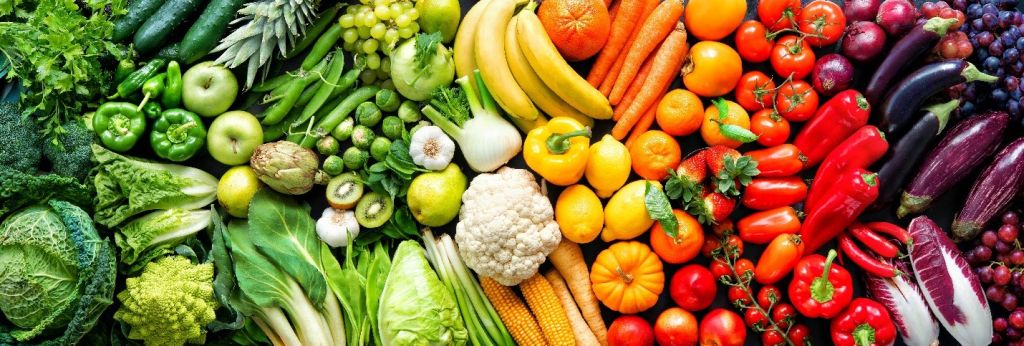
A Lifestyle of Eating a healthy diet to Staying Active help with Preventing Diseases.
As people age, staying active and healthy becomes increasingly important.
Regular exercise and a balanced diet can help prevent chronic diseases such as cardiovascular disease, obesity, heart disease, and stroke.
In addition, a healthy lifestyle can also help boost the immune system and increase longevity.
From a longevity perspective, staying active and healthy in your golden years can help you live a more fulfilling life.
According to studies, regular exercise can add years to your life and reduce the risk of premature death.
One study found that people who exercised regularly in their 50s and 60s were 35% less likely to die prematurely than those who did not exercise.
Staying active and healthy can also help prevent chronic diseases.
Cardiovascular disease, obesity, heart disease, and stroke are all major health concerns for seniors.
Staying Active will help prevent chronic disease, obesity, heart disease, and stroke, all major health concerns for seniors.
However, a healthy lifestyle that includes regular exercise and a balanced diet can help reduce the risk of these diseases.
In addition, a healthy lifestyle can also help boost the immune system.
The immune system weakens as people age, making fighting infections and diseases harder.
However, regular exercise and a healthy diet can help strengthen the immune system, reducing the risk of illness.
Staying active and healthy in your golden years is essential for a long and fulfilling life.
Regular exercise and a balanced diet can help prevent chronic diseases, boost the immune system, and increase longevity.
By maintaining a healthy lifestyle, seniors can enjoy their golden years.
Key Points 10 Essential Tips for Staying Active and Healthy
10 Essential Tips for Staying Active and Healthy in Your Golden Years" provides practical advice on how seniors can maintain their health and well-being as they age.
Here are the key points to remember
- Stay active: Engage in regular physical activity such as walking, swimming, or yoga to maintain your strength, flexibility, and balance.
- Eat a balanced diet: Consume various nutrient-dense foods such as fruits, vegetables, whole grains, lean proteins, and healthy fats.
- Stay hydrated: Drink plenty of water and fluids to maintain good hydration.
- Get enough sleep: Aim for 7-8 hours each night to help your body repair and recover.
- Manage stress: Practice relaxation techniques such as deep breathing, meditation, or yoga to reduce stress and anxiety.
- Stay socially engaged: Maintain social connections with family, friends, and community groups to combat loneliness and isolation.
- Stay mentally active: Engage in activities that challenge your brain, such as reading, puzzles, or learning a new skill.
- Get regular check-ups: Schedule regular visits with your healthcare provider to monitor your health and address any concerns.
- Manage chronic conditions: Work with your healthcare provider to manage chronic conditions such as diabetes, hypertension, or arthritis.
- Be proactive: Take an active role in your health by staying informed, asking questions, and advocating for yourself.
By following these tips, seniors can maintain their health and well-being and enjoy a fulfilling and active life in their golden years.
Conclusion
Staying active and healthy in your golden years is crucial for maintaining a high quality of life.
The ten essential tips in this article provide a solid foundation for achieving this goal.
Incorporating these tips into your daily routine can improve your physical and mental health, increase your energy levels, and live a more fulfilling life.
The readers of this article should take away a sense of empowerment, knowing that they have the tools and knowledge necessary to take control of their health and well-being.
Whether you are already active or just starting, these tips can help you journey towards a healthier, happier life.
While this article focuses on staying active and healthy in your golden years, the strategies discussed may apply to individuals of all ages.
By prioritizing your health and making minor changes to your daily routine, you can improve your overall well-being and enjoy a higher quality of life.
In conclusion, this article provides valuable insights and practical tips for staying active and healthy in your golden years.
Following these tips and prioritizing your health, you can enjoy a more fulfilling and satisfying life.
If you enjoyed today's "Staying Active and Healthy in Your Golden Years." article, please share the tools with others.
You can post on Forums and your Blog anywhere and everywhere with your email list.
I also use Affiliate Products and links on my blog posts and pages to Build my Business.
One of the biggest questions in online marketing is how to monetize websites and blogs to make and embrace When to Start Blogging.
My Best to You,
Elizabeth Redd
Join my Facebook Community: Click Here
P. S. Are you ready to open your eyes to New Things?
P. S. Have you checked out this article? Start Blogging with WordPress
P. S. I love to hear from you!
Let me know what business you think about or are already involved with another company.
Visit my Facebook Page and tell me more About You.
I would love to hear from you. Please leave your questions and comments below.
I would love to get your feedback!